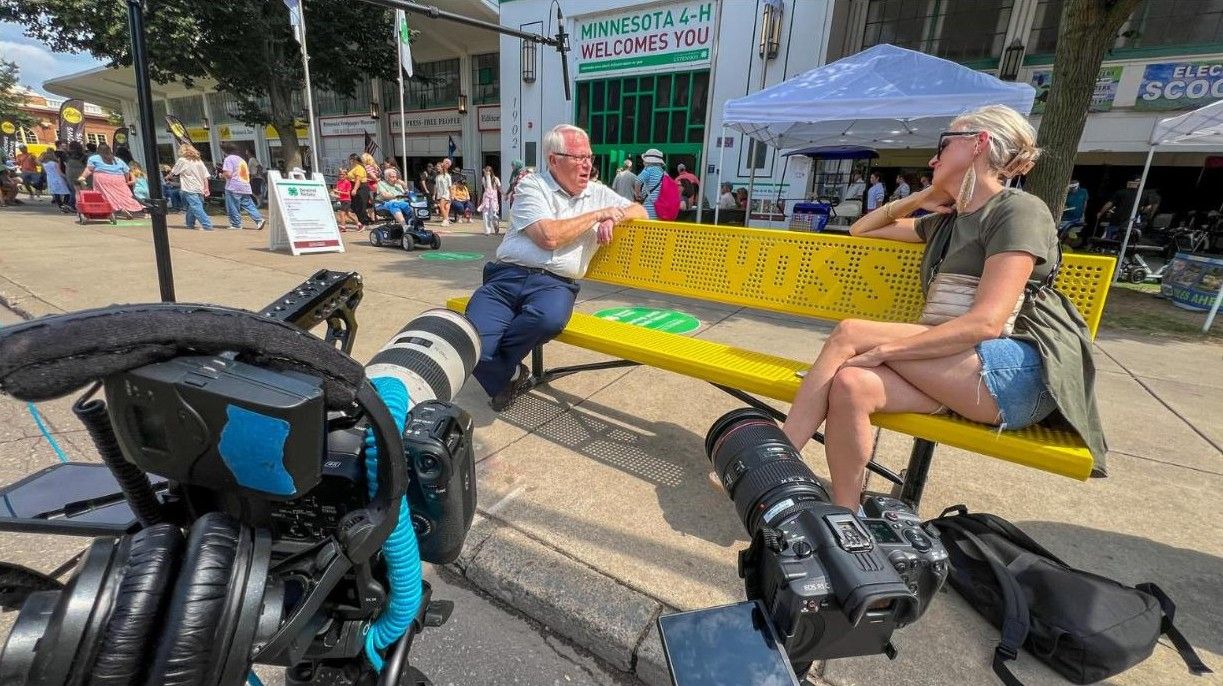
Covering the Minneapolis ICE surge for The New York Times
Six weeks on my own streets as a video journalist for the Times. The hardest and most important assignment of a long career.
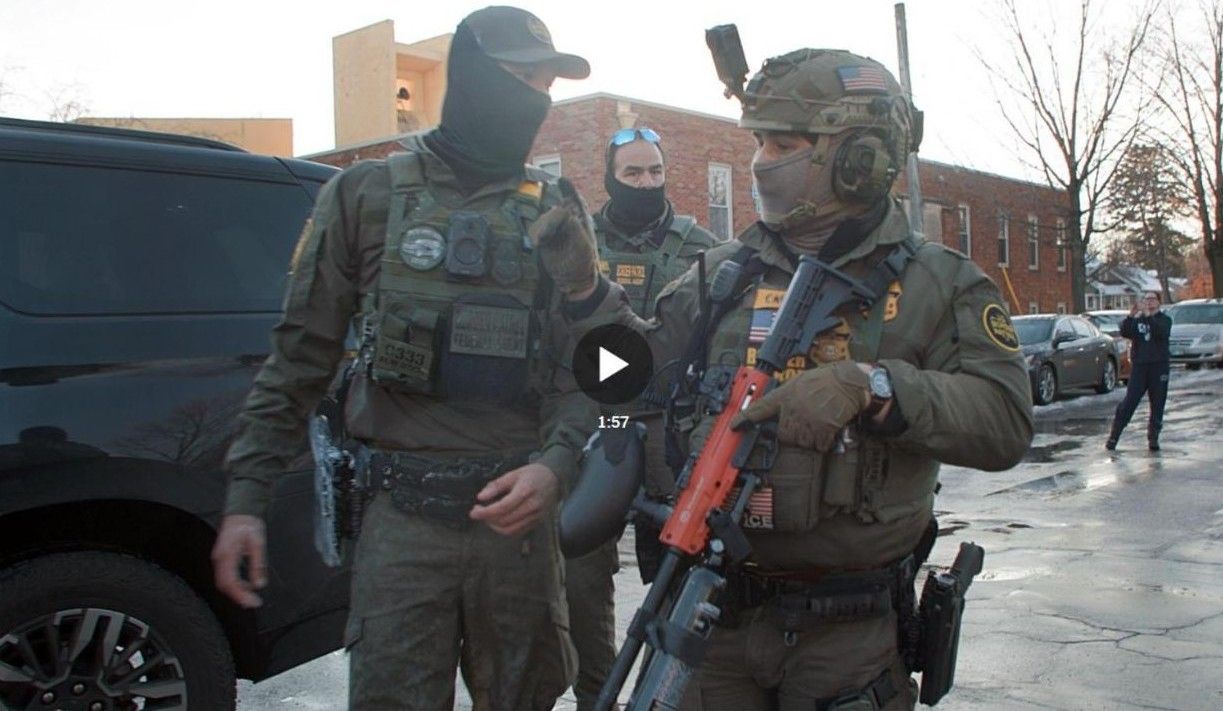
In January and February of 2026 I worked for six weeks as an independent video journalist with The New York Times, documenting the surge of federal immigration enforcement in Minneapolis. I should have written about it sooner. It took a while to know what to say.
The Times contacted me about an hour after Renee Good was shot. A few days earlier, federal agents had ended a pursuit outside Roosevelt High School, where my kids go to school and my wife teaches music. The story was not happening somewhere else. It was happening at the end of my block, and I had thirty years of experience and a camera.
I want to be honest about one thing: as a white man I never truly felt unsafe, which was not the experience of many of my Hispanic and Somali neighbors. That difference shaped how I worked and who I pointed the camera at.
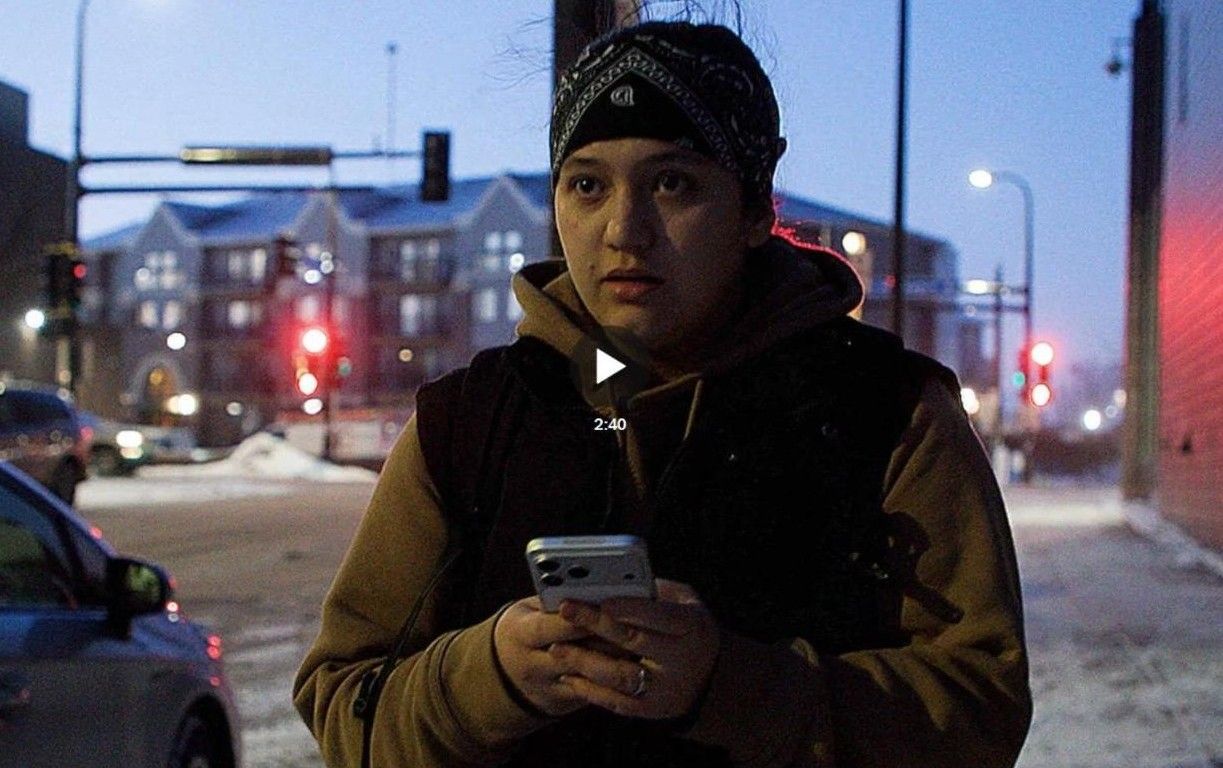
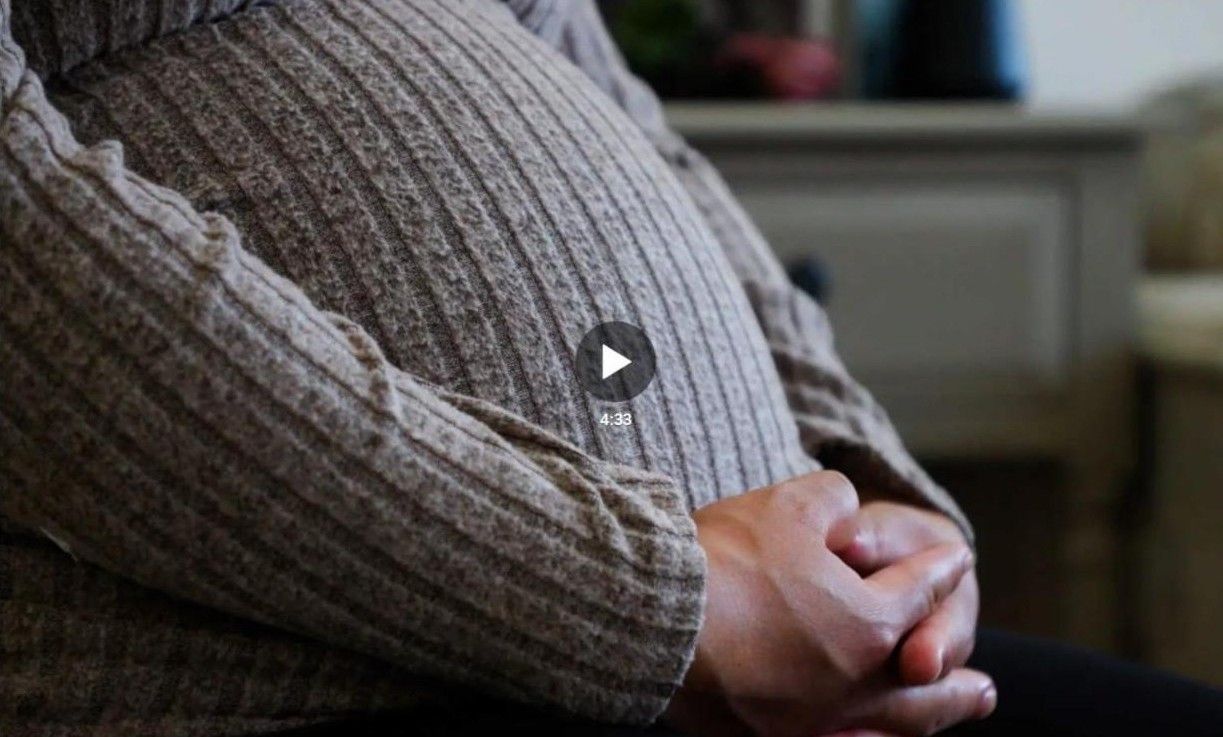
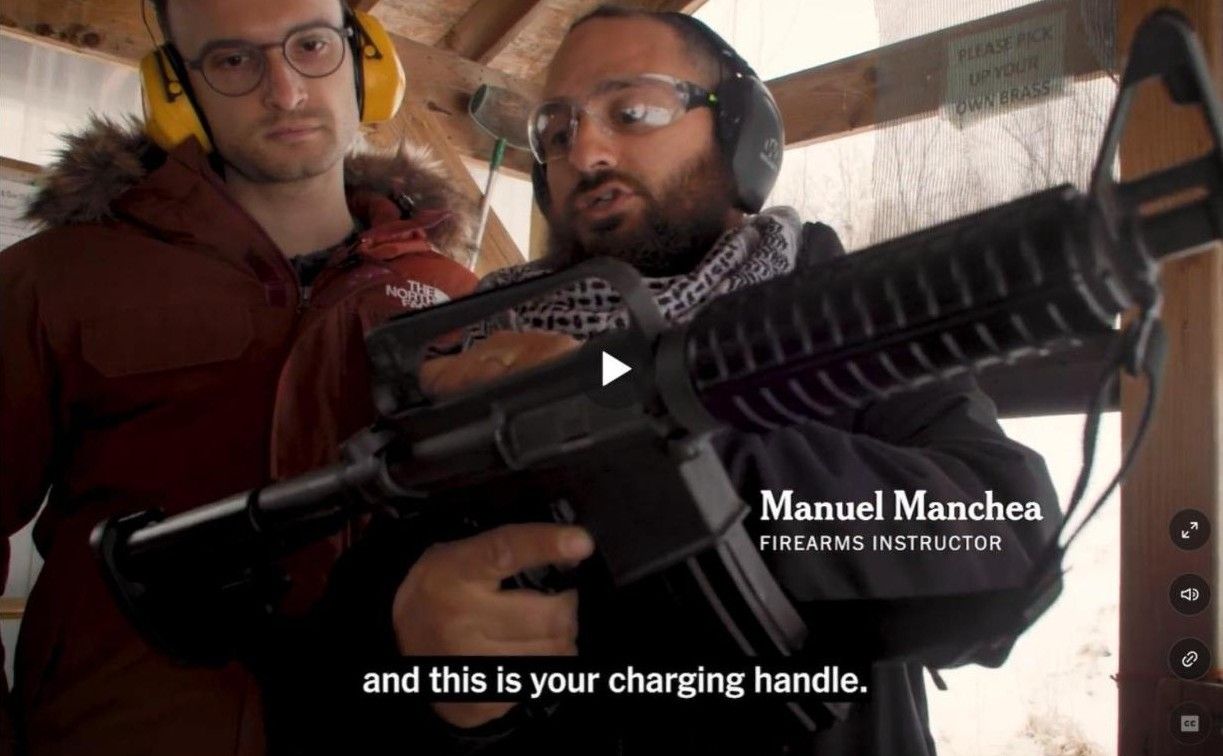
What I will say about the Times is that the verification process is as serious as its reputation, the collaboration is real, and the paper took care of me. They sent protective gear and monitored my location when things got tense. Four stories came out of those weeks: one about violence near a school after an ICE shooting, one about a Minneapolis family after their mother was detained, one about pregnant women avoiding medical care out of fear, and one about the rise in gun permit applications tied to the raids. There is also a clip I shot on my phone on the day Alex Pretti was shot that I still cannot watch all the way through.
This is the editorial side of what I do. It is not most of my calendar, but it is why I started, and it is the work I would want someone to remember.
More work
All work →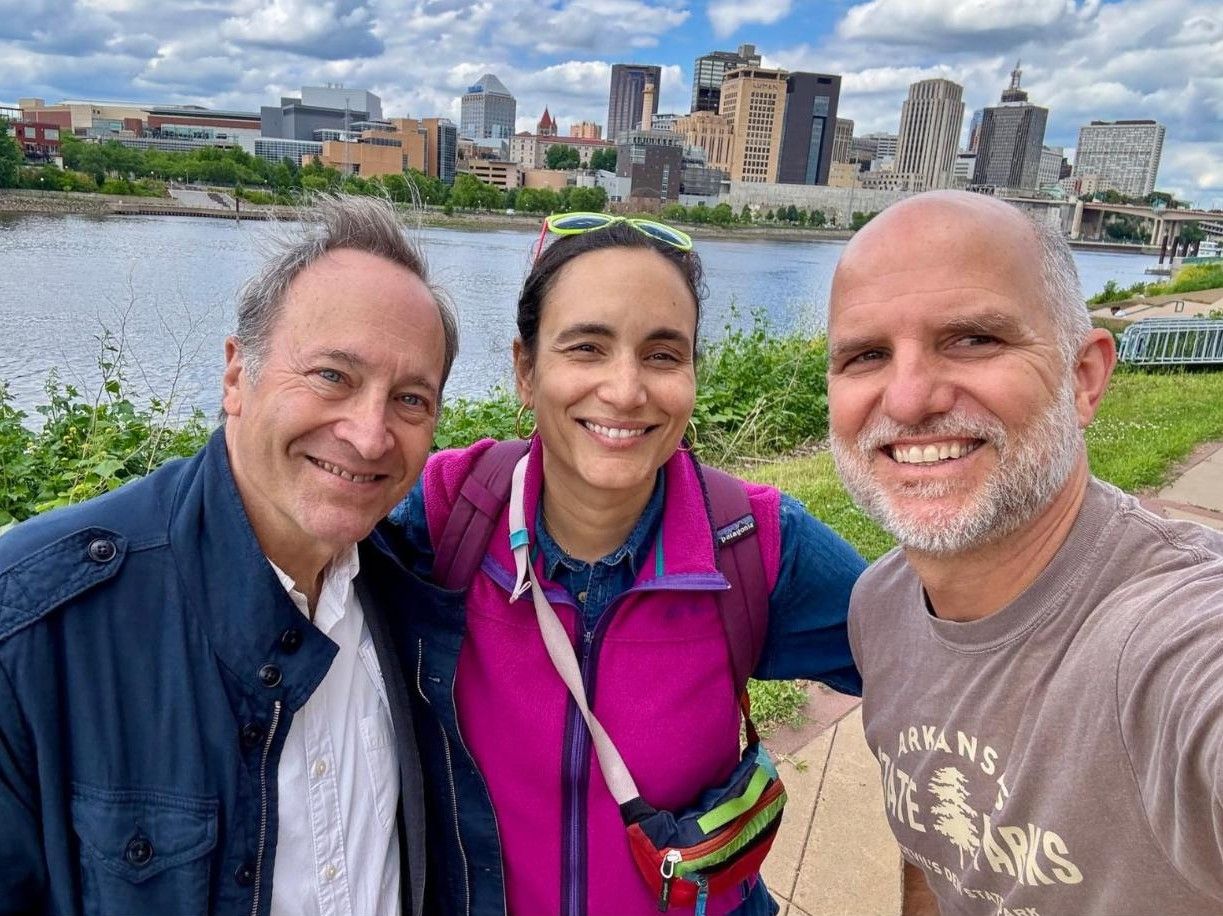
Behind the lens: shooting two stories for PBS NewsHour in the Twin Cities
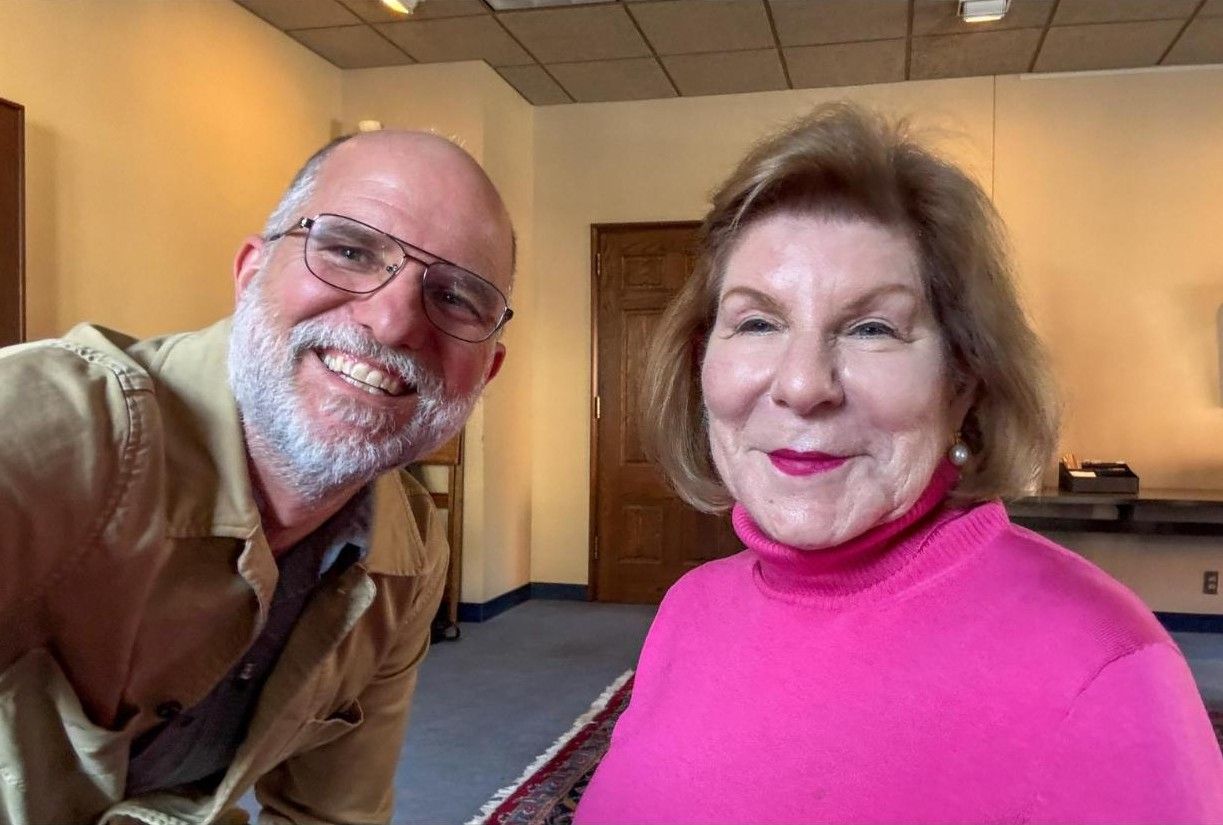
Exploring ethics with the Westminster Town Hall Forum